
Radon mitigation
Radon mitigation involves reducing the movement of naturally occurring radon gas from the ground into a building. The two main approaches used in reducing radon levels are passive and active
systems.
Passive radon systems
Passive systems rely on natural air movement and pressure differences to safely vent radon from beneath a building. They typically include:
-
A radon resistant membrane installed across the footprint of the structure
-
Sealed service penetrations and airtight detailing
-
A passive ventilation stack that allows radon to disperse naturally above roof level
These systems require no power and are often used in new build properties where radon levels are expected to be moderate.
Active radon systems
Active systems use mechanical assistance to increase extraction efficiency. This includes
an electric fan connected to the ventilation stack to create continuous negative pressure.
Active systems are typically used in higher‑risk areas or where passive measures alone are not sufficient.
Annual maintenance and repair
Does your domestic or commercial property have a radon mitigation system installed? Without regular maintenance and testing, radon levels can return to unsafe concentrations, effectively negating your original investment and leaving occupants at risk.
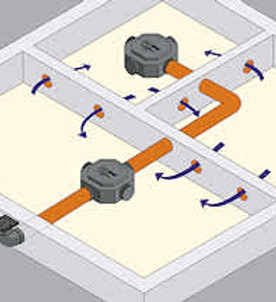
Passive venting to new builds
This system can consist of a single sump or a network of pipes and sumps installed beneath the ground floor slab, providing passive ventilation to the atmosphere. If required at a later stage, the system can be easily upgraded to work in conjunction with a Vent Away UK electric powered in‑line radon fan.

Radon sumps
All products needed for installation can be purchased through Vent Away UK.
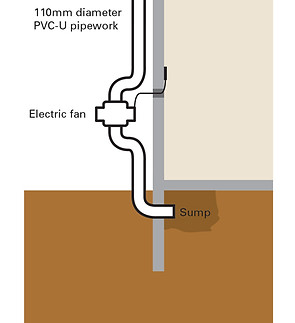
Radon extraction
When elevated radon levels are identified in an existing building, we provide expert guidance and bespoke system design for the installation of a radon sump and fan.
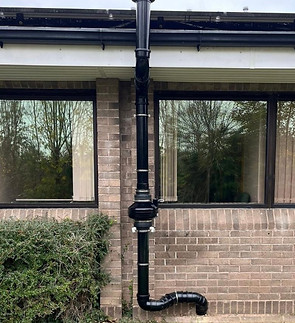
Radon extraction installation
All parts and hardware are supplied and fitted by Vent Away UK.